Best Sourdough Cornbread Recipe — Fluffy, Easy, & Delicious
Sourdough cornbread is a cozy, slightly tangy twist on classic cornbread. With an overnight ferment, a tender crumb, and rich flavor, it’s the perfect side dish for soups, stews, or a weekend brunch.
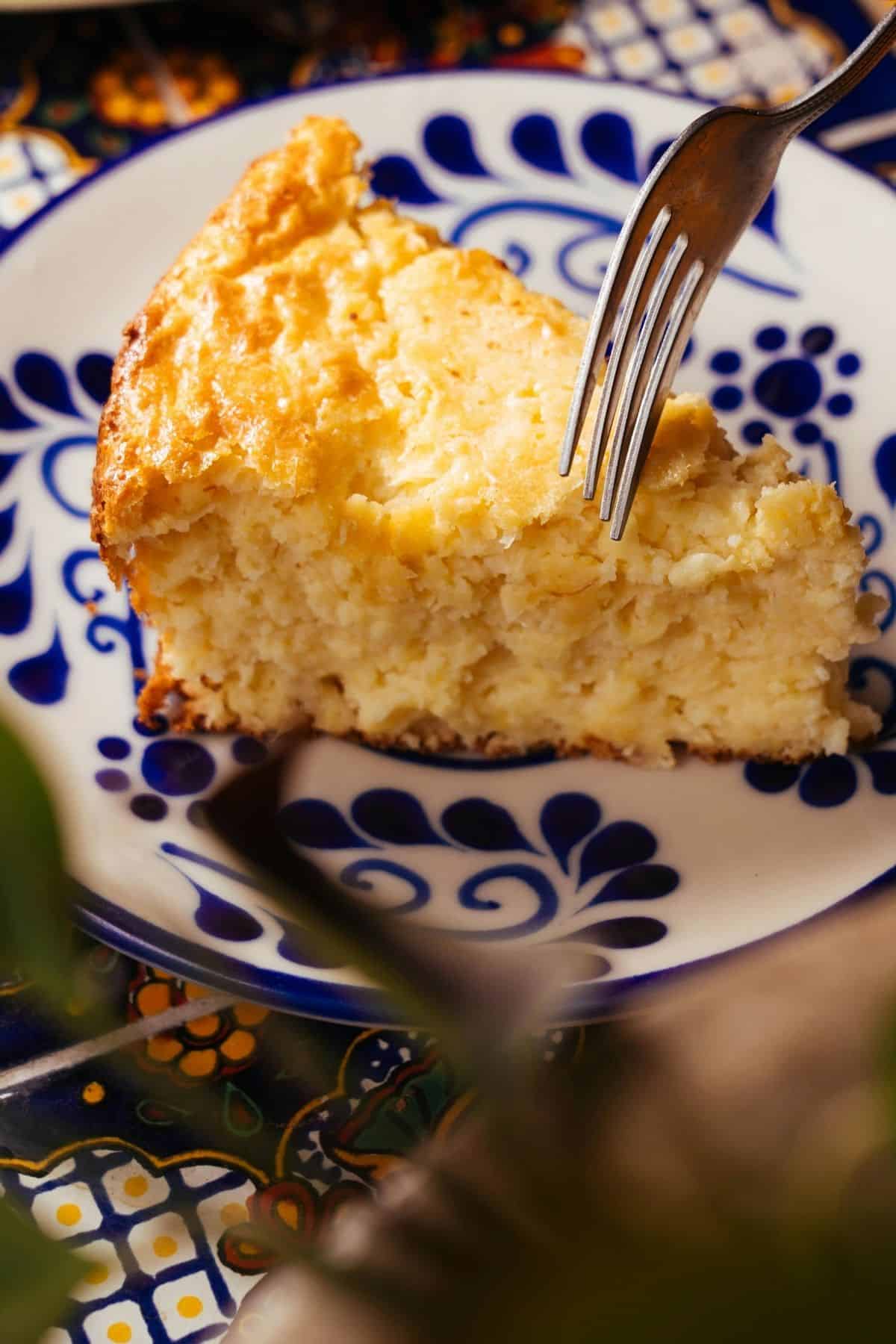
This sourdough cornbread recipe brings the best of both worlds—fluffy, golden brown cornbread and the deep, nuanced flavor of sourdough bread.
Whether you’re trying to use up sourdough discard or you want to take advantage of the fermentation process for easier digestion, this recipe delivers every time. This easy sourdough cornbread will elevate your soups and stews every time!
Sourdough and cornbread might sound like an unexpected match, but this pairing is magic and make the best cornbread. The sourdough tang of the starter adds complexity and moisture to the bread, making it more than just a vehicle for butter (though it’s excellent for that too). And because it starts fermenting the night before, it’s incredibly convenient—you’ll wake up halfway to homemade bread.
We love to pair this fresh, hot cornbread with hearty venison stew, smoky chicken chipotle soup, homemade chicken noodle soup, autumn minestrone, or white chili. Who doesn’t love a warm piece of cornbread with a delicious, nourishing soup?
Need to make your own sourdough starter or want more about baking with sourdough? Head over to the sourdough beginners guide and learn about my stiff starter method (makes sourdough so easy!). Then use your active sourdough starter to make a simple sourdough loaf, sourdough hoagie rolls, flavored sourdough bread, and even overnight bagels!
You can also fine some great sourdough discard recipes for your leftover sourdough starter—sourdough discard cinnamon rolls and this sourdough discard cornbread recipe that uses buttermilk. You can also freeze your sourdough starter to use later!

Why You’ll Love This Recipe
Deep flavor: The overnight fermentation adds a rich, tangy flavor that sets this apart from typical cornbread. Ferment longer for stronger sour flavors or use older discard. This recipe is a great way to use up sourdough discard.
Perfect texture: This moist cornbread is tender, thanks to the combination of buttermilk, cornmeal, and sourdough starter. It’s an easy sourdough recipe that has amazing results and doesn’t require leavening agents like baking soda or baking powder.
Simple ingredients: This is a great recipe that uses pantry staples and can easily be transformed into new recipes. You can dress this delicious cornbread with cheese, peppers, or scallions—or keep it simple. It works great with both active starter and discard.
What Is Sourdough Cornbread?
Sourdough cornbread is a savory quick bread made with cornmeal and leavened partially or fully by a sourdough starter. Unlike traditional cornbread, which typically uses baking powder or soda for lift, this version uses the natural acidity and fermentation of sourdough to develop flavor and improve texture. The result is more digestible and more flavorful than standard recipes.
This version still uses a bit of leavening power from eggs, but the overnight fermentation gives it a soft, cohesive texture—not crumbly like many dry cornbreads. You can use either active starter or discard, making it a great zero-waste recipe.

Sourdough Cornbread Ingredients
- Sourdough starter: This is your secret ingredient! Active starter or sourdough starter discard will work. I find a deeper texture with the active starter. Use 100% hydration (equal parts flour and water) for your own starter.
- Cornmeal: Go for medium-grain cornmeal for the best texture—fine will be softer, coarse more rustic. You can use white cornmeal or yellow cornmeal, but you don’t need self-rising cornmeal because of the sourdough starter.
- All-purpose flour: This helps bind the bread and gives a lighter crumb. Whole wheat flour works too for a nuttier taste.
- Buttermilk: This adds moisture and acidity. If you don’t have it, mix whole milk with 1 tablespoon of vinegar or lemon juice. You can use a non-dairy milk, but the texture will be a bit different.
- Eggs: These help set the structure and provide richness.
- Butter or oil: Unsalted butter gives better flavor, while oil keeps this dairy-free. Use a neutral oil like avocado or olive. Coconut oil will work as well, but imparts a bit of flavor.
- Optional mix-ins: Corn kernels, jalapeños, shredded cheese, scallions—whatever you like!
A full list of ingredients and quantities can be found in the recipe card below.
Tools You May Need
Cast-iron skillet — I like to use a cast iron pan when making cornbread. A square pan or even a cake pan will work. You just want about an 8 inch pan.
How To Make Sourdough Cornbread
- Mix the ferment: The night before baking, stir together the sourdough starter, cornmeal, flour, and buttermilk in a large bowl until fully combined. Cover loosely and let the cornbread batter ferment at room temperature for 8–12 hours.
- Prep to bake: In the morning (or after fermentation), preheat the oven to 375 degrees F (190°C). Grease a cast iron skillet or 8×8 baking dish with butter or oil and place it in the oven while the oven preheats.
- Finish the batter: Beat the eggs, melted butter or oil, salt, and sugar (if using) together in a small bowl. Add these wet ingredients to the fermented dry ingredients mixture and stir just until incorporated. If using any optional mix-ins, fold them in now.
- Bake: Pour the batter into the a hot cast iron skillet or baking dish and smooth the top. Bake for 25–30 minutes, or until golden and a toothpick inserted in the center comes out clean.
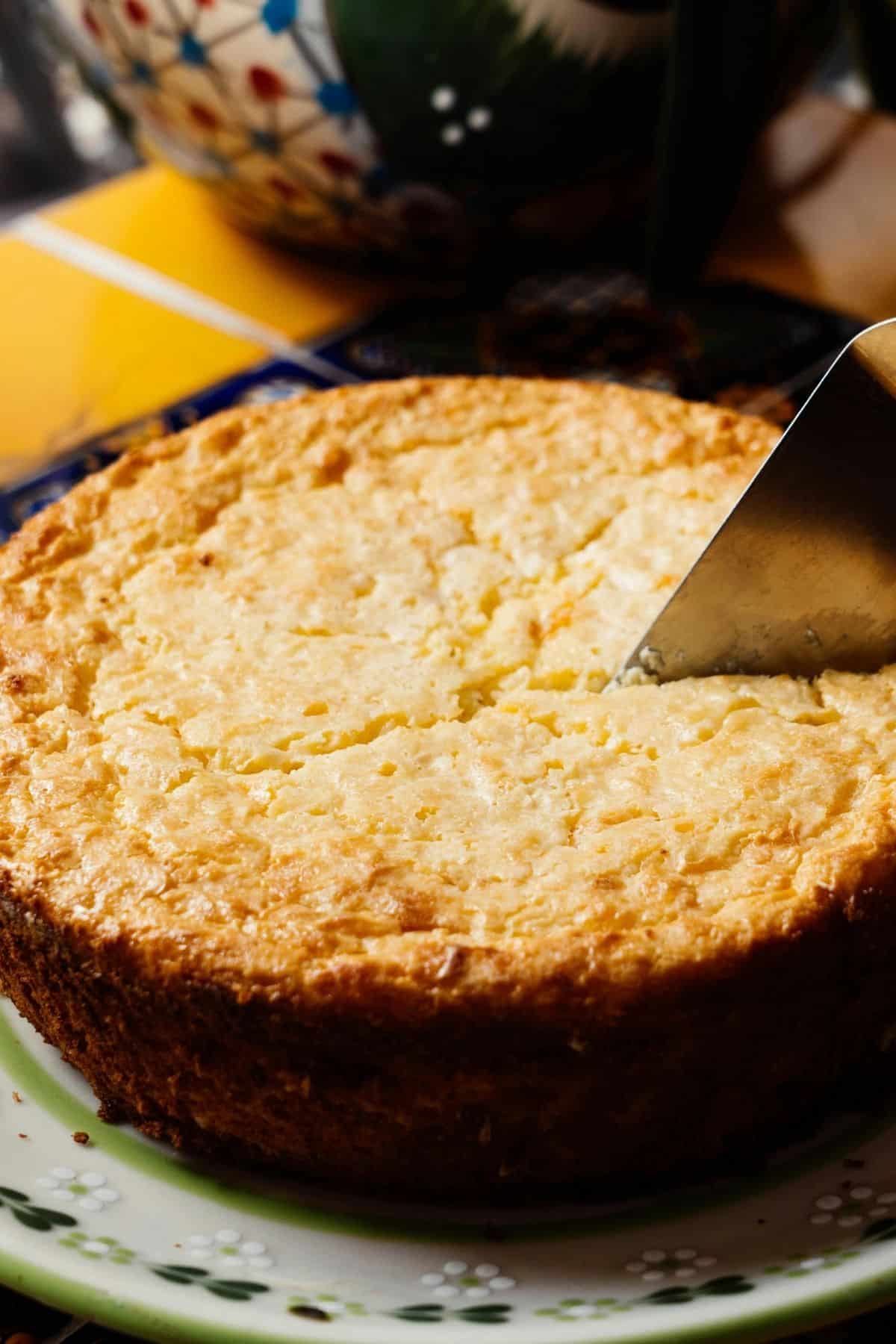
- Cool slightly before slicing. Serve warm with butter, honey, (we love honey butter!) or your favorite chili.

Recipe Tips
- Don’t overmix: Stir just until combined once you add the eggs and fat.
- Use a cast iron skillet for crispy edges and even baking.
- Let it ferment fully: Don’t cut the ferment time short—it builds flavor and softens the cornmeal.
- Storing Leftover Cornbread: Allow cornbread to cool completely, then store in an airtight container at room temperature for up to 2 days, or refrigerate for up to 5 days. For longer storage, wrap tightly with plastic wrap or parchment paper and freeze in a ziploc bag for up to 3 months. Reheat in the oven or toaster oven.
Sourdough Cornbread Variations
- Muffin Version: To turn this moist sourdough cornbread into muffins, simply follow the overnight ferment and batter instructions as written. Preheat oven to 375°F (190°C) and line a muffin tin with papers or grease well. Fill cups about 3/4 full and bake for 18–22 minutes, or until tops are golden and a toothpick comes out clean. Makes approximately 10–12 muffins.
- Sweet Cornbread Muffins: To the morning batter, add 3 tablespoons honey or maple syrup, 1 teaspoon vanilla extract, and 1/2 cup corn kernels (fresh, canned, or thawed). Bake as muffins at 375°F (190°C) for 18–22 minutes. Top with a pat of butter and a drizzle of honey when serving. Sweet sourdough cornbread muffins are always a favorite when hosting. We’ve even done them for breakfast paired with easy sausage balls (no Bisquick required!).
- Savory Jalapeño-Cheddar Cornbread: Stir 1/2 to 3/4 cup shredded sharp cheddar and 1 finely chopped jalapeño (remove seeds for milder heat) into the morning batter; optionally sprinkle extra cheese on top before baking.
- Southern-Style Bacon & Scallion Cornbread: Fold 1/3 cup cooked, crumbled bacon and 2 chopped scallions into the morning batter, using buttermilk instead of regular milk for added richness; serve with sour cream and hot sauce. Make in a cast iron for traditional sourdough skillet cornbread.
- Autumn Cornbread (with Sweet Potato or Pumpkin): Add 1/2 cup mashed sweet potato or pumpkin purée, 1/2 teaspoon cinnamon, 1/4 teaspoon nutmeg, and 2–3 tablespoons maple syrup or brown sugar to the morning batter. This pairs well with fall soups like autumn tortellini soup or homemade chili.
- Gluten-free friendly: Use a 1:1 gluten-free flour blend in place of the all-purpose flour.


Recipe FAQs
I hope you love this recipe!
This sourdough cornbread is a staple in our kitchen—especially during chili season. Whether you’re cleaning out your starter jar or craving a deeply flavorful side, this is one to come back to again and again.

Sourdough Cornbread (Overnight Ferment)
Ingredients
Night Before (Ferment):
- 1 cup sourdough starter (100% hydration, active or discard is okay)
- 1 cup cornmeal
- 1/2 cup all-purpose flour (or whole wheat for nuttier flavor)
- 1 cup buttermilk (or milk with 1 tbsp vinegar/lemon juice)
Next Day (Before Baking):
- 2 large eggs
- 1/3 cup melted butter or oil
- 1/2 teaspoons sea salt
- 2 tablespoons sugar (optional)
- Optional: corn kernels, jalapeños, shredded cheese, scallions
Instructions
- Mix the ferment: The night before baking, stir together the sourdough starter, cornmeal, flour, and buttermilk in a large mixing bowl until fully combined. Cover loosely and let the cornbread batter ferment at room temperature for 8–12 hours.
- Prep to bake: In the morning (or after fermentation), preheat the oven to 375°F (190°C). Grease a cast iron skillet or 8x8 baking dish with butter or oil and place it in the oven while the oven preheats.
- Finish the batter: Beat the eggs, melted butter or oil, salt, and sugar (if using) together in a small bowl. Add these wet ingredients to the fermented dry ingredients mixture and stir just until incorporated. If using any optional mix-ins, fold them in now.
- Bake: Pour the batter into the a hot cast iron skillet or baking dish and smooth the top. Bake for 25–30 minutes, or until golden and a toothpick inserted in the center comes out clean.
- Cool slightly before slicing. Serve warm with butter, honey, (we love honey butter!) or your favorite chili.
Notes
- For a stronger sour flavor, ferment up to 18 hours.
- Heat your skillet. Pouring the batter into a hot skillet helps give that golden crust.
- Medium-grind cornmeal gives a nice rustic bite; fine cornmeal will give the bread a smooth and cake-like consistency. Fine cornmeal is great for a sweet sourdough cornbread recipe with honey.
Recommended Products
As an Amazon Associate and member of other affiliate programs, I earn from qualifying purchases.

This post may contain affiliate links. Please read our full disclosure policy.
Other Sourdough Recipes You May Enjoy…
These recipes are good options for any sourdough baker and a great way to use that classic fresh sourdough starter! Find these and more in the sourdough main menu.