
Freshly Milled Bread – Everyday Whole Wheat Bread You’ll Love
This freshly milled bread recipe is the only one you will need when it comes to baking bread with fresh milled flour! The recipe is easy and forgiving. Plus, it is a great base recipe that can easily be used in many different ways–from dinner rolls to burger buns to sweet or savory fillings!
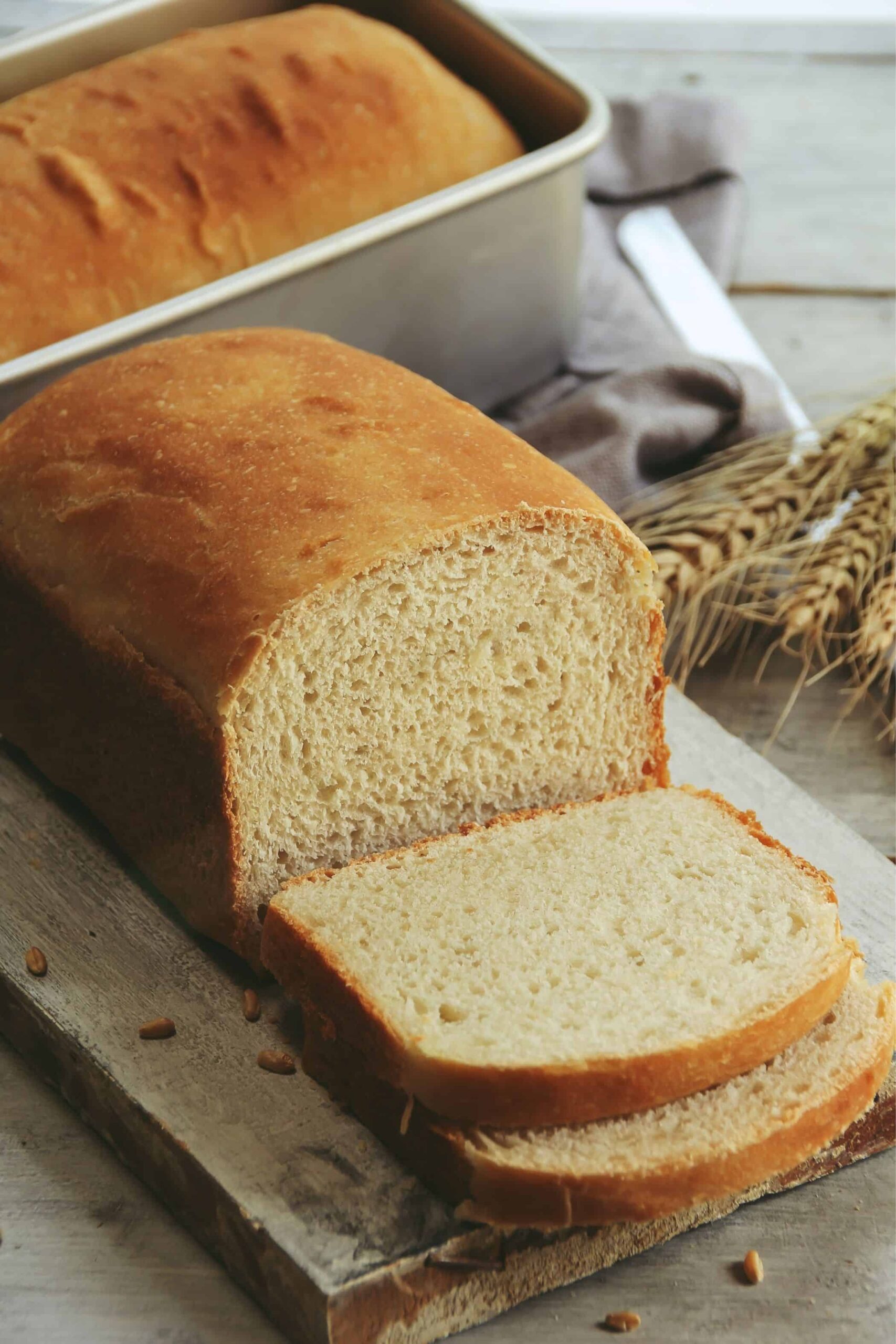
There’s nothing quite like the aroma of freshly baked homemade bread filling your kitchen—and when it’s made from wheat you milled yourself, it’s on a whole new level. This freshly milled bread recipe is soft, lightly sweet, and incredibly nourishing. If you’ve been curious about diving into whole grain baking, this is the perfect place to start!
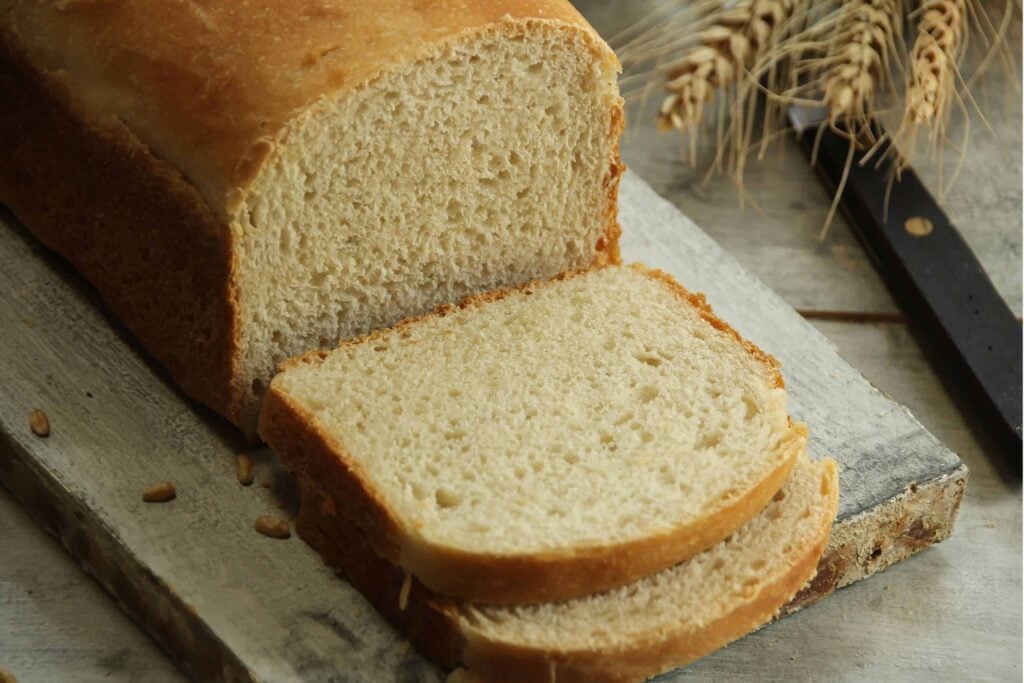
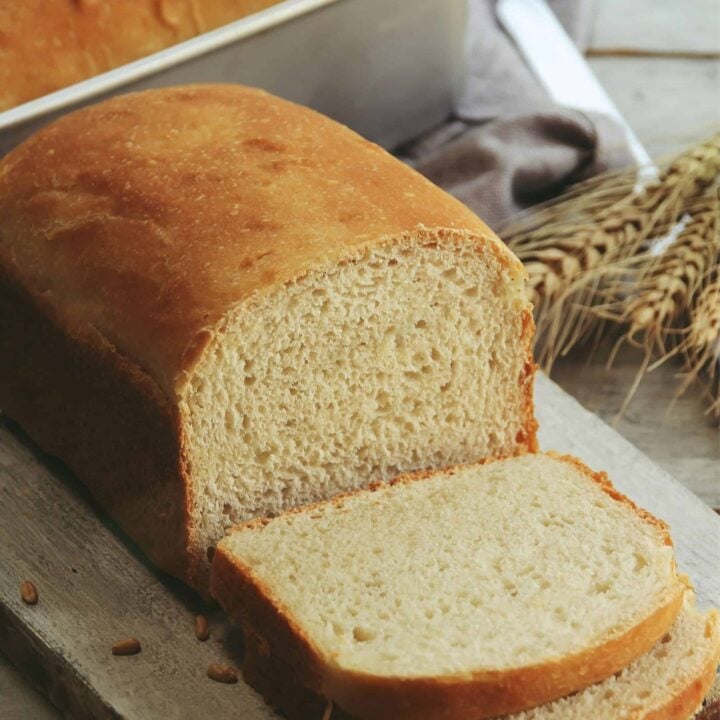
This recipe creates a reliable, soft sandwich bread that works well for toast, garlic bread, your favorite sandwich, and everything in between. The flavor and nutrition of milling your own flour simply can’t be beat.
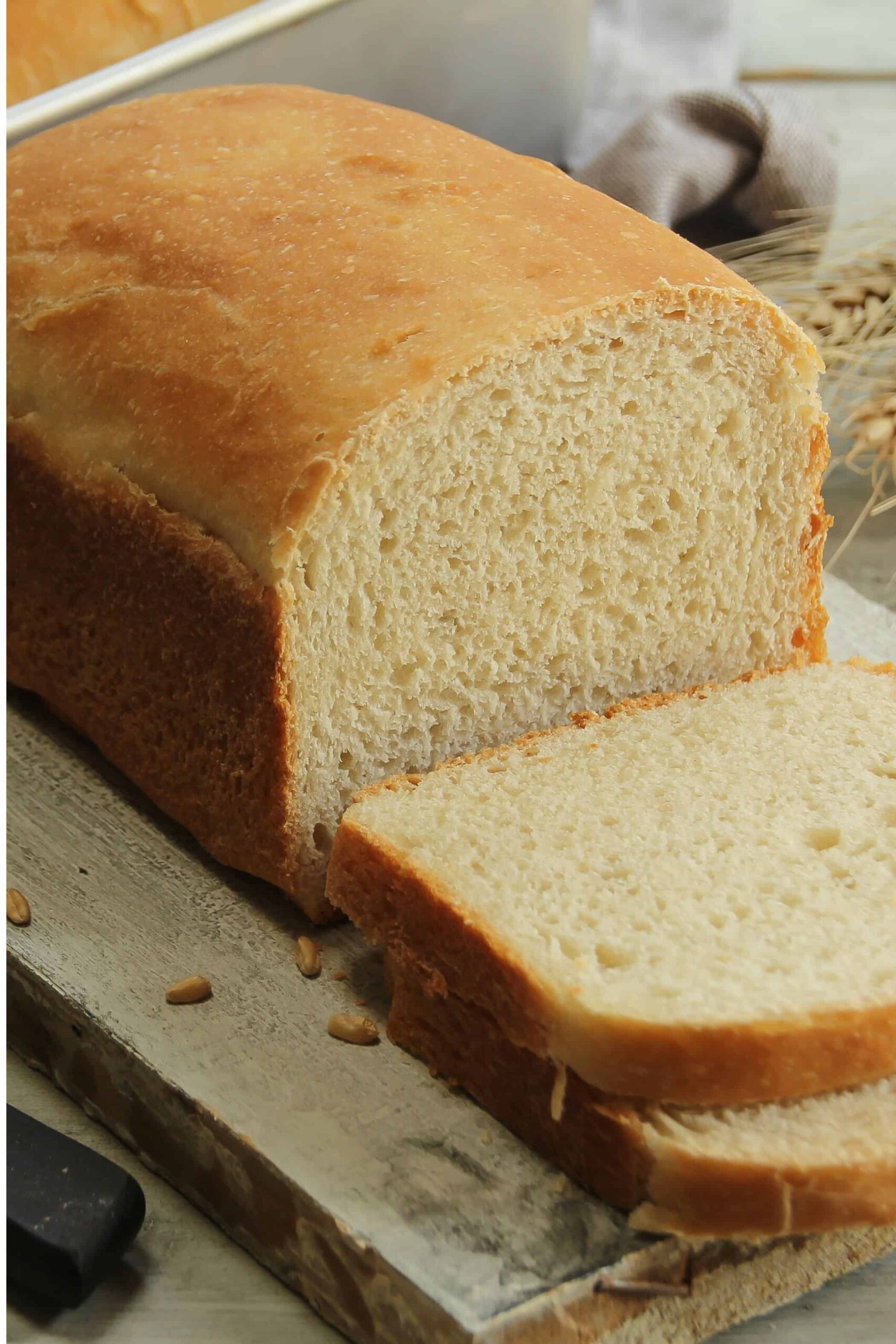
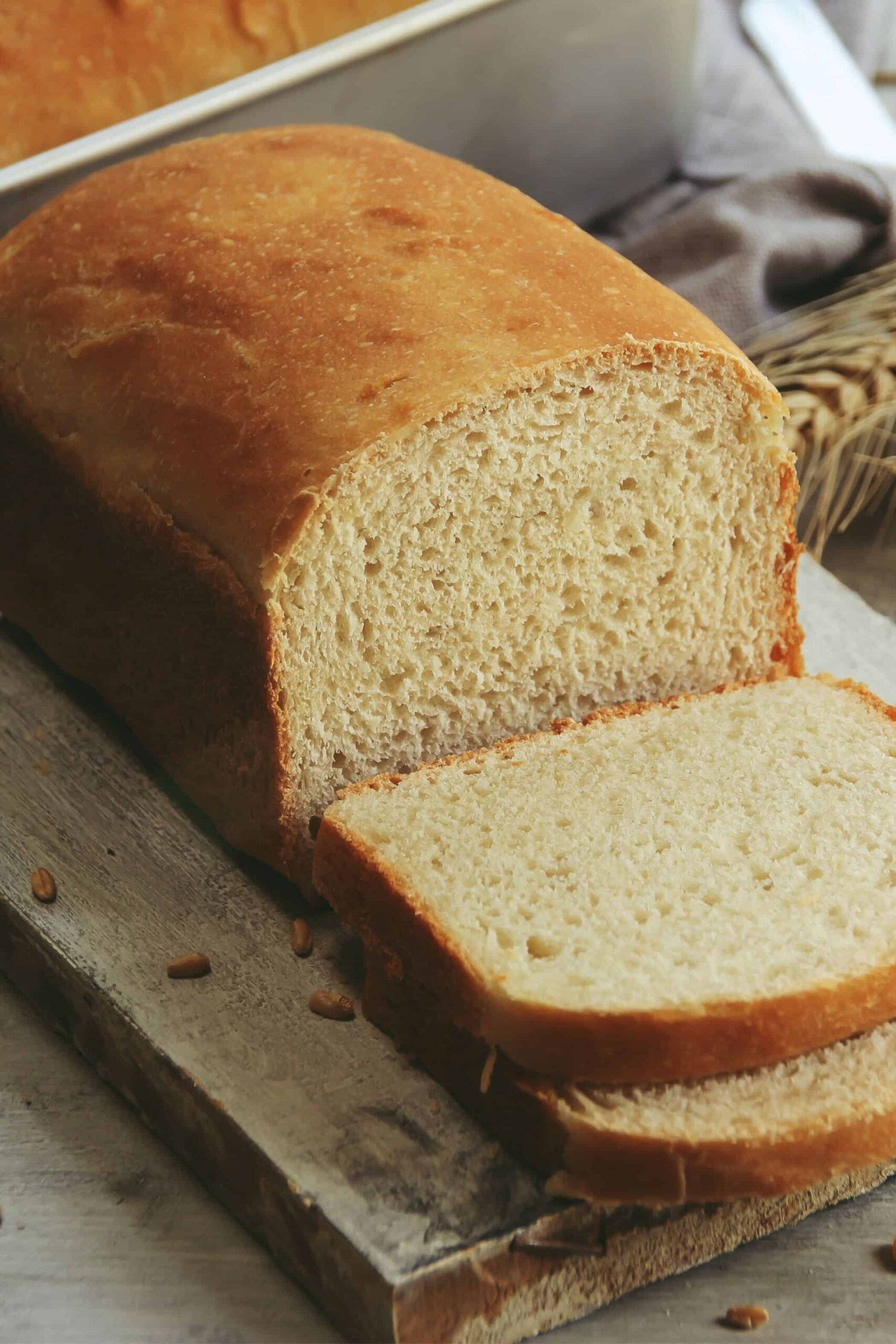
Unlike store-bought whole wheat loaves that can be dense or dry, this version is light, fluffy, and just slightly sweet thanks to honey (or maple syrup). A single egg adds richness and structure, and the oil keeps it moist and tender for days. The result is a versatile, everyday bread that your whole family will enjoy.
If you’re new to working with freshly milled flour, don’t worry—this recipe is beginner-friendly. The dough comes together easily and is forgiving, making it ideal even if you’re just starting out with home milling. For more ways to use fresh-milled flour, try fresh milled pancakes, sourdough bread with freshly milled flour, fresh milled biscuits, or whole grain tortillas with fresh milled flour.
Why You’ll Love This Recipe
Incredible flavor: Freshly milled flour has a deep, nutty aroma and flavor that sets this bread apart from store-bought or even traditional homemade loaves.
Better nutrition: Because the whole wheat kernel is used, this bread is packed with nutrients and fiber, making it a smart, wholesome choice for daily meals.
Beginner-friendly: This is a great recipe for anyone new to fresh-milled flour. It’s easy to follow, flexible, and turns out reliably soft loaves every time.
What Is Freshly Milled Bread?
Fresh milled bread is made with flour that has been ground at home from whole wheat berries, using a grain mill. This type of bread captures all the natural oils, enzymes, and nutrients in the wheat—something commercial flours often lose in processing. While it shares some characteristics with other whole wheat breads, the flavor and texture are often far superior.
Freshly milled wheat makes incredible loaves of bread because it retains all the components of the wheat berry—the bran, germ, and endosperm. This means more fiber, vitamins, minerals, and natural oils that store-bought flour just doesn’t have. Your loaf of bread not only tastes better, but it is better for you as well!
Many people assume bread made with 100% whole wheat is dense, but this recipe challenges that. It produces a soft, light crumb that’s great for sandwiches or simply slathered with butter. This is not a sourdough recipe, but it pairs well with the sourdough lifestyle and can easily be adapted for fermentation.

Freshly Milled Bread Ingredients
- Warm water: Using warm or hot water helps kickstart the yeast and hydrates the flour.
- Neutral oil: Use a neutral tasting oil like olive oil or avocado oil to help keep the bread soft and moist for days.
- Honey or maple syrup: These add just a touch of sweetness and also feed the yeast.
- Large egg: Eggs add richness and color and help to improve dough structure. This means that you get a soft, airy loaf that’s great for sandwiches.
- Freshly milled hard wheat flour: You can use either hard red or hard white wheat berries. I prefer white as it has a less nutty flavor and allows this simple ingredient bread to be a base you can turn into a different recipe. Soft wheat (which is more like white flour) doesn’t have enough protein for this recipe.
- Instant yeast: This yeast is fast-acting and easy to use, with no proofing required. We are big fans of sourdough, but using yeast in fresh milled bread is a bit easier. It has less of a learning curve than combining sourdough and home milled flour.
- Vital wheat gluten (optional): This is helpful for extra rise and chewiness, especially when using home-milled flour. It is optional, but using it is the best way to get the texture that you want in a loaf of bread.
A full list of ingredients and quantities can be found in the recipe card below.
Tools You May Need
Grain mill — To make fresh milled wheat, the most important thing you will need a grain mill. I have an electric mill (NutriMill is a great option!), but you can use a hand-operated mill. Some people use a Vitamix blender, but this will result in a more coarse grind and a slightly different texture in your bread.
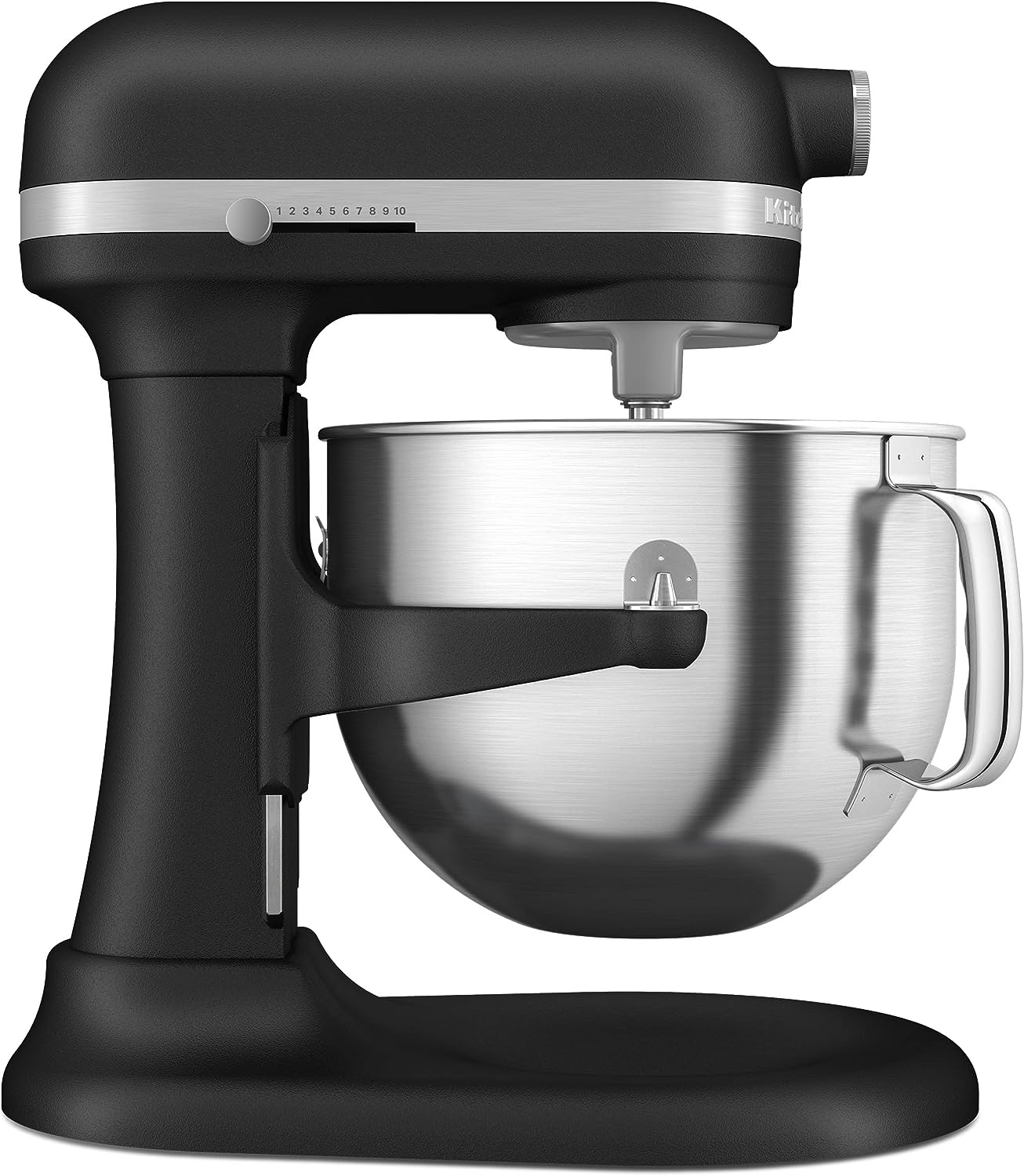
Stand mixer— You can tackle the kneading process by hand or with a stand mixer, depending on your preference. I have a Kitchen Aid that I use to make things a little easier as a home baker.
How To Make Freshly Milled Bread
- Mill your wheat. Mill your hard white wheat berries. Start with about 4 cups of berries to make 4 1/2 cups of flour.
- Mix the dough. In a large mixing bowl, combine the warm water, oil, honey, and egg.
- Add the yeast. Add 3 cups of milled flour, salt, and vital wheat gluten (if using). Mix until a thick batter forms, then sprinkle the yeast onto the dough.
- Finish the dough. Mix gently and add another cup of flour until a soft dough is formed. This typically takes 4 cups, but you may need more (up to 4&1/2).
- Knead the dough. Knead the dough by hand or use a dough hook on your stand mixer. Knead for about 10-15 minutes.
- First rise. Cover with a tea towel and allow the dough to rise in a warm place for about an hour.
- Shape the dough. Turn the dough out onto a lightly floured surface and divide into two equal pieces. Use your hands to gently shape the loaf into your desired shape, then place into prepared pans.
- Second rise. Allow the bread dough to rise a second time in a warm place for about 45 minutes. While loaves are resting, preheat the oven to 350.
- Bake. Bake loaves in a preheated oven for 25-30 minutes or until the internal temperature reaches 190F.
- Cool and enjoy! Allow the bread to cool at room temperature for about 5 minutes. Then remove from the pans and cool completely on a wire rack.
Recipe Tips
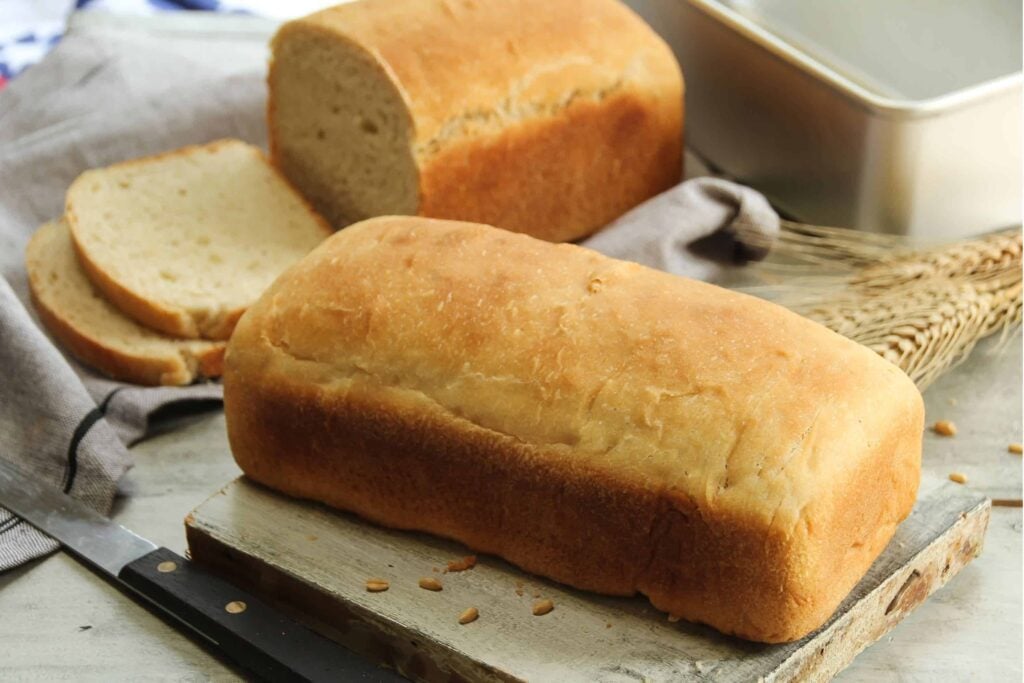
- You can make these loaves into a round shape and cook in a Dutch oven. You can also shape into an oblong shape and bake in a loaf pan.
- Hard red wheat gives a hearty flavor, while hard white wheat is lighter and sweeter—perfect for sandwich loaves.
- You can skip the vital wheat gluten, but the bread may be slightly more dense.
- Don’t add too much flour; the dough should be slightly tacky but not sticky.
- Let your loaves cool completely before slicing to avoid a gummy texture.
Tips for Shaping the Dough
Shaping your bread properly helps it rise evenly and bake with a beautiful structure.
For a round loaf (boule):
- After the first rise, gently deflate the dough and turn it out onto a lightly floured surface.
- Use your hands to tuck the edges of the dough underneath. Rotate as you go to create surface tension across the top.
- The goal is a smooth, tight ball. Let it rest seam-side down in a floured bowl or proofing basket to rise again.
For an oblong loaf (sandwich-style):
- After the dough’s first rise, flatten it gently into a rectangle, being careful not to press out all the air.
- Starting from the short edge, roll the dough up tightly into a log, pinching the seam closed at the bottom.
- Tuck in the ends slightly if needed, and place seam-side down in a greased loaf pan for the second rise.
In both cases, avoid over-flouring your work surface, as too much flour can make shaping difficult and prevent the dough from sealing properly. A bench scraper can also be helpful for clean shaping and lifting the dough without tearing.
Freshly Milled Bread Variations
Make the original recipe the first time, then try one of our favorite variations using the same base recipe:
- Seeded loaf: Add 2–4 tablespoons of flaxseed, sunflower seeds, or millet to the dough before the rise. This adds a nice crunch and provides even more nutrition. You can also make the dough as is, then brush the top with a little water and add seeds to the top before the second rise.
- Herb & garlic bread: Mix 1 tablespoon of Italian seasoning or a mixture of dried herbs and garlic powder into the dough. You can also add these to the top of the loaffor a savory twist.
- Sweet cinnamon swirl: Make the dough per the original recipe. Just before the second rise, roll out dough and brush with each loaf with 2-3 tablespoons of melted butter. Then sprinkle a mixture of cinnamon sugar (3/4 cup cane or coconut sugar + 1 tablespoon cinnamon mixed will cover both loaves). Roll the dough into a log before before the second rise, then continue with the original recipe.
- Dinner rolls or hamburger buns: Make the recipe through step 6. When it is time to shape the dough, go ahead and cut into two equal pieces. Then cut each loaf into 4-6 small pieces for burger buns (depending on how big you want the buns). Cut into 8-10 small pieces for dinner rolls (again, depending on how big or small you want the rolls). Continue with the second rise, then bake on a baking sheet for 10-20 minutes or until golden brown. For the dinner rolls, I like to place them in a baking dish with the sides touching so that they stay soft and moist.
Recipe FAQs
I hope you love this recipe!
Fresh milled bread is a beautiful, rewarding way to nourish your family and reconnect with the tradition of real, whole food. Let me know in the comments how your loaves turn out!
Fresh Milled Everyday Bread
This freshly milled bread recipe is the only one you will need when it comes to baking bread with fresh milled flour! It is perfect as is (a great sandwich bread) and is also a great base recipe that can easily be used in many different ways--from dinner rolls to burger buns to sweet or savory fillings!
Ingredients
- 1 1/2 cups warm water
- 1/3 cup neutral oil (avocado or olive oil)
- 1/3 cup honey or maple syrup
- 2 teaspoons salt
- 1 large egg
- 4 to 4 1/2 cups fresh hard white or red wheat, divided
- 1 tablespoon instant yeast
- 2 teaspoons vital wheat gluten (optional)
Instructions
- Mill your wheat. Mill your hard white wheat berries. Start with about 4 cups of berries to make 4 1/2 cups of flour.
- Mix the dough. In a large mixing bowl, combine the warm water, oil, honey, salt, and egg.
- Add the yeast. Add 3 cups of milled flour, salt, and vital wheat gluten (if using). Mix until a thick batter forms, then sprinkle the yeast onto the dough.
- Finish the dough. Mix gently and add another cup of flour until a soft dough is formed. This typically takes 4 cups, but you may need more (up to 4&1/2).
- Knead the dough. Knead the dough by hand or use a dough hook on your stand mixer and knead for about 10-15 minutes.
- First rise. Cover with a tea towel and allow the dough to rise in a warm place for about an hour.
- Shape the dough. Turn the dough out onto a lightly floured surface and divide into two equal pieces. Use your hands to gently shape the loaf into your desired shape, then place into prepared pans.
- Second rise. Allow the bread dough to rise a second time in a warm place for about 45 minutes. While loaves are resting, preheat the oven to 350.
- Bake. Bake loaves in a preheated oven for 25-30 minutes or until the internal temperature reaches 190F.
- Cool and enjoy! Allow the bread to cool at room temperature for about 5 minutes, then remove from the pans and cool completely on a wire rack.
Notes
- You can make these loaves into a round shape and cook in a Dutch oven or into an oblong shape and bake in a loaf pan.
- Hard red wheat gives a hearty flavor, while hard white wheat is lighter and sweeter—perfect for sandwich loaves.
- You can skip the vital wheat gluten, but the bread may be slightly more dense.
- Don't add too much flour; the dough should be slightly tacky but not sticky.
- Let your loaves cool completely before slicing to avoid a gummy texture.
Recommended Products
As an Amazon Associate and member of other affiliate programs, I earn from qualifying purchases.



Other Fresh Flour Recipes You May Enjoy…
- Fresh Milled Brownies
- Fresh Milled Biscuits
- Fresh Milled Belgian Waffles
- Fresh Milled Zucchini Bread
- Fresh Milled Blueberry Muffins
- Fresh Milled Focaccia
This post may contain affiliate links. As an Amazon associate, I may receive a small commission from any purchase from this site at no cost to you. Please read our full disclosure policy.







Hello,
Wondering how much salt you add to this recipe? Can’t find amount anywhere in the recipe! Thanks for your help!
SO sorry! It is 2 teaspoons of salt. Updated, and thank you for catching that!
Seems like the salt is missing from the written recipe. It’s mentioned in step 3. Just so ya know 😉
Thank you!! So easy to overlook those things when writing. I’ll update!